

Article: What Bespoke Furniture Really Means
What Bespoke Furniture Really Means
Why True Bespoke Design Is About More Than Custom Dimensions
The word bespoke has become one of the most overused terms in modern interiors. It appears across everything from fitted wardrobes to imported furniture collections, often attached to products that are only available in a handful of preset finishes or sizes. Somewhere along the way, the meaning of the word became diluted.
Originally, bespoke described something far more personal.
The term comes from the old English verb bespeak — to “speak for something in advance.” Traditionally, it referred to an item commissioned specifically for an individual before it was ever made. Savile Row tailoring embodied the idea perfectly: a garment created not for a market, but for one person, their proportions, preferences, lifestyle, and character.
At KODA, we believe bespoke furniture should still mean exactly that.
Not simply “made to order.”
Not simply “available in three colours.”
But thoughtfully designed furniture created around the way someone actually lives.
Because true bespoke furniture is not about excess or unnecessary luxury. It is about intention.


The Difference Between Custom and Bespoke Furniture
Today, many furniture brands describe themselves as bespoke because they offer limited choices: perhaps a different finish, a change in leg style, or a selection of handles. While those options can be useful, they are not the same as true bespoke craftsmanship.
Real bespoke furniture begins with a conversation.
It starts with understanding the space, the proportions of a room, the architecture of a home and the practical needs of daily life. A TV unit might need to hide technology seamlessly while remaining visually calm. A sideboard may need to work around awkward alcoves or architectural details. A dining table may need to accommodate large family gatherings while still feeling refined and minimal the rest of the time.
These are not problems solved by standardisation. They require design decisions made specifically for the individual.
At KODA, every piece of furniture is handcrafted in Britain with this philosophy at its core. Dimensions are not restricted to arbitrary sizing brackets. Materials are selected carefully. Finishes are considered in relation to natural light, flooring, surrounding textures and the feeling a customer wants their home to create.
Bespoke furniture should never feel like choosing from a catalogue. It should feel collaborative.

Why People Are Returning to Bespoke Design
For decades, convenience dominated furniture retail. Flat-pack systems, mass production and trend-driven interiors encouraged people to furnish homes quickly and cheaply. While accessible, this approach often created spaces that lacked permanence or individuality.
But people are beginning to shift away from disposable interiors.
There is a growing appreciation for craftsmanship, longevity, and meaningful design. Customers increasingly want furniture that lasts not just physically, but aesthetically — pieces that still feel relevant years later because they were chosen intentionally rather than impulsively.
This is one reason bespoke furniture has become more important again.
When something is made specifically for your home, it naturally becomes more timeless. The proportions are right. The materials feel considered. The design integrates into the architecture rather than fighting against it.
A well-designed bespoke oak sideboard or handcrafted media unit does not need replacing every few years because it was never trend-led to begin with. It was made with permanence in mind.

Bespoke Furniture Is About Identity
One of the most overlooked aspects of bespoke design is its emotional value.
Our homes are deeply personal spaces. They reflect how we live, what we value, and how we want to feel day to day. Yet much of the furniture industry encourages people toward sameness — the same layouts, the same finishes, the same combinations repeated endlessly across social media.
Bespoke furniture allows people to move away from that. It creates space for individuality.
At KODA, customers often come to us because they cannot find furniture that feels quite right elsewhere. Sometimes the issue is practical: dimensions that don’t fit, storage requirements that standard furniture ignores, or a desire for higher quality craftsmanship.
But often, the reason is more instinctive.
They want furniture that feels calmer. More refined. More architectural. Something that feels connected to their home rather than simply placed inside it.
That process of creating something unique is what makes bespoke furniture meaningful.

The Importance of Craftsmanship
True bespoke furniture depends entirely on craftsmanship. Without skilled makers, bespoke becomes little more than marketing language.
All of our furniture is handcrafted in Britain using carefully selected materials, traditional woodworking principles, and modern precision. The process involves more than simply manufacturing a product. It requires attention to grain direction, timber movement, joinery, finish consistency, proportions, and durability.
The difference is often subtle at first glance. But over time, craftsmanship becomes unmistakable.
Drawer mechanisms feel smoother. Edges feel softer and more deliberate. Timber gains character rather than deteriorating. Proportions remain visually balanced within a room. The furniture continues to feel relevant even as trends evolve around it.
Mass production prioritises speed and efficiency. Bespoke craftsmanship prioritises longevity and experience. That distinction matters.

Why Materials Matter
A significant part of bespoke furniture lies in material selection.
Natural oak, walnut and solid timber finishes behave differently from synthetic alternatives. They age differently. They reflect light differently. They carry warmth and texture that cannot truly be replicated artificially.
At KODA, materials are chosen not only for durability, but for atmosphere.
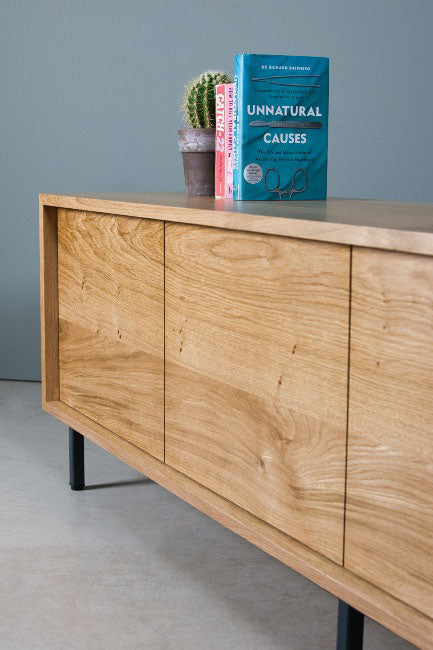
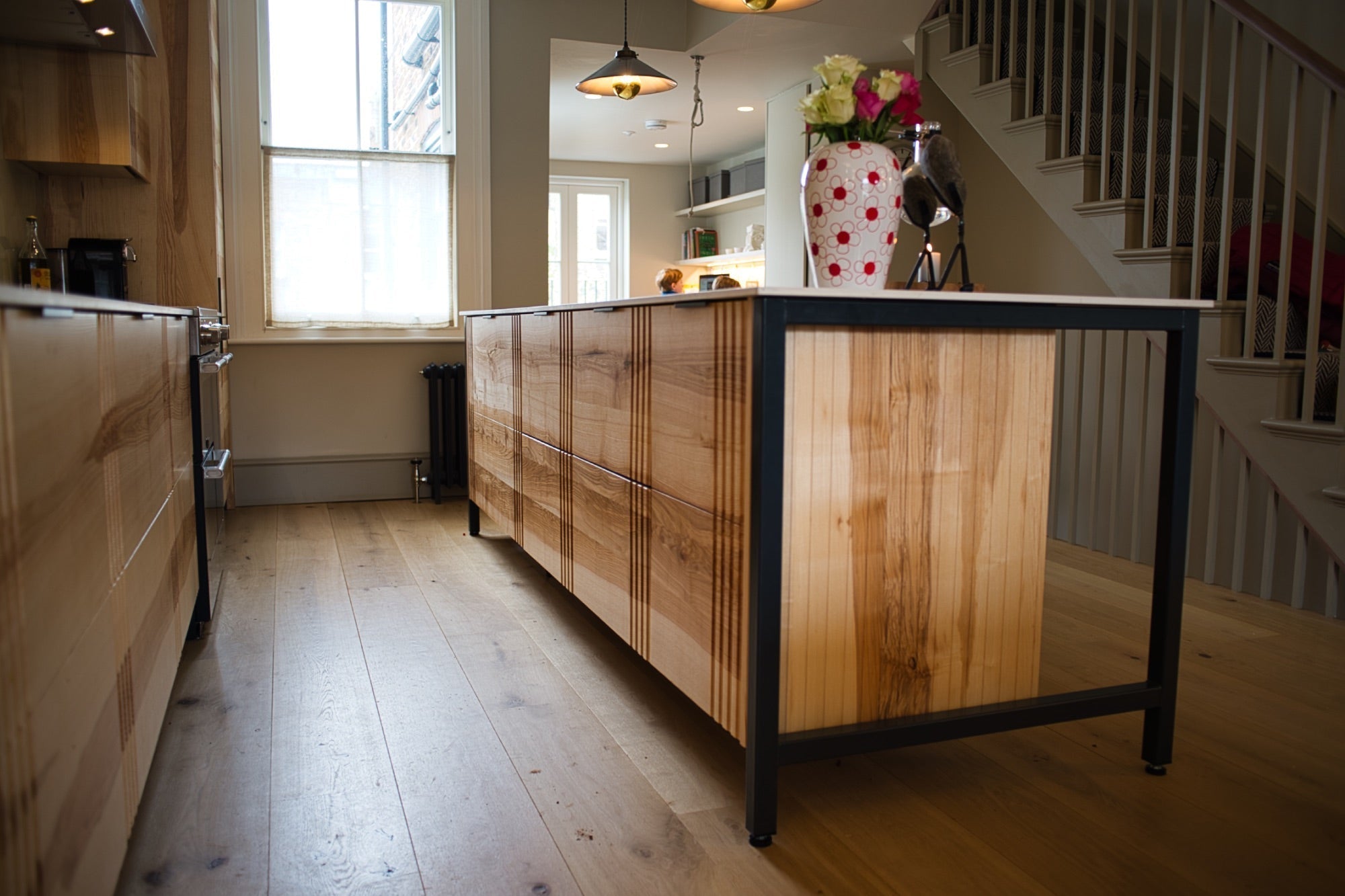
A white oak finish can create softness and calm within a bright contemporary space. Walnut introduces richness and depth. Fluted detailing creates rhythm and shadow that changes throughout the day depending on natural light.
These details may seem small individually, but collectively they define how a room feels. Bespoke furniture allows these choices to become intentional rather than accidental.

Bespoke Furniture Should Solve Problems Beautifully
The best bespoke furniture rarely announces itself loudly. Instead, it quietly improves the experience of living within a space.
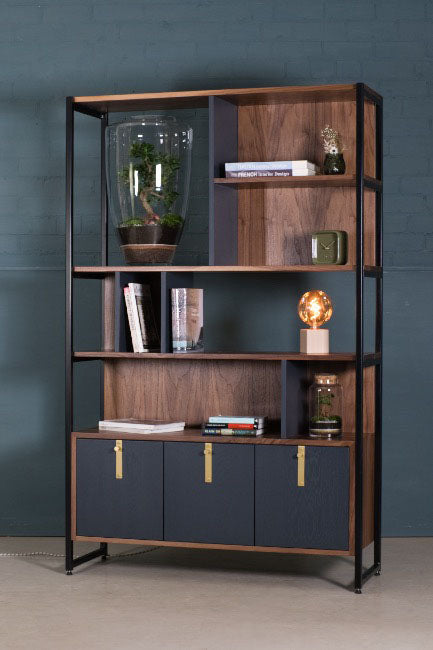
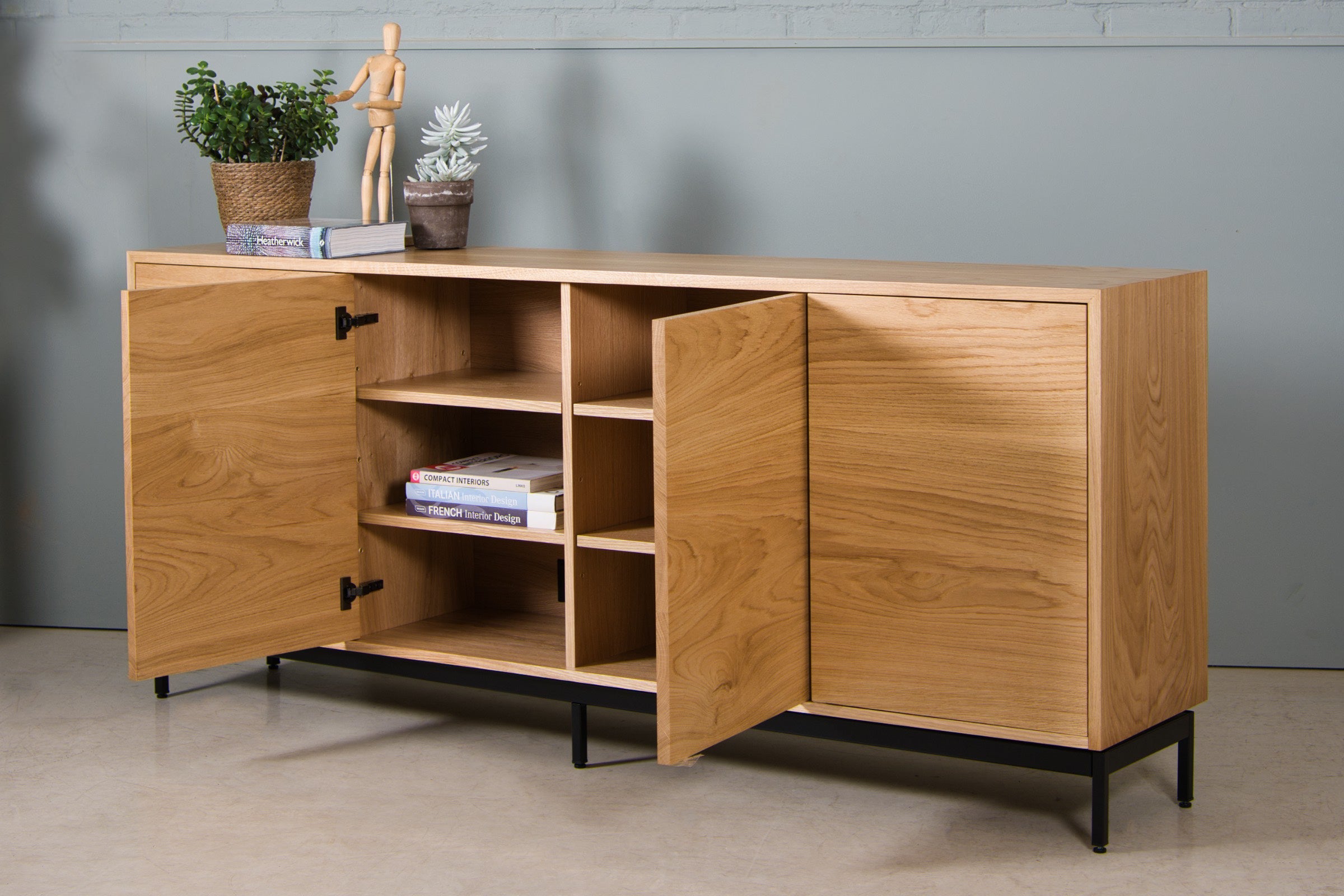
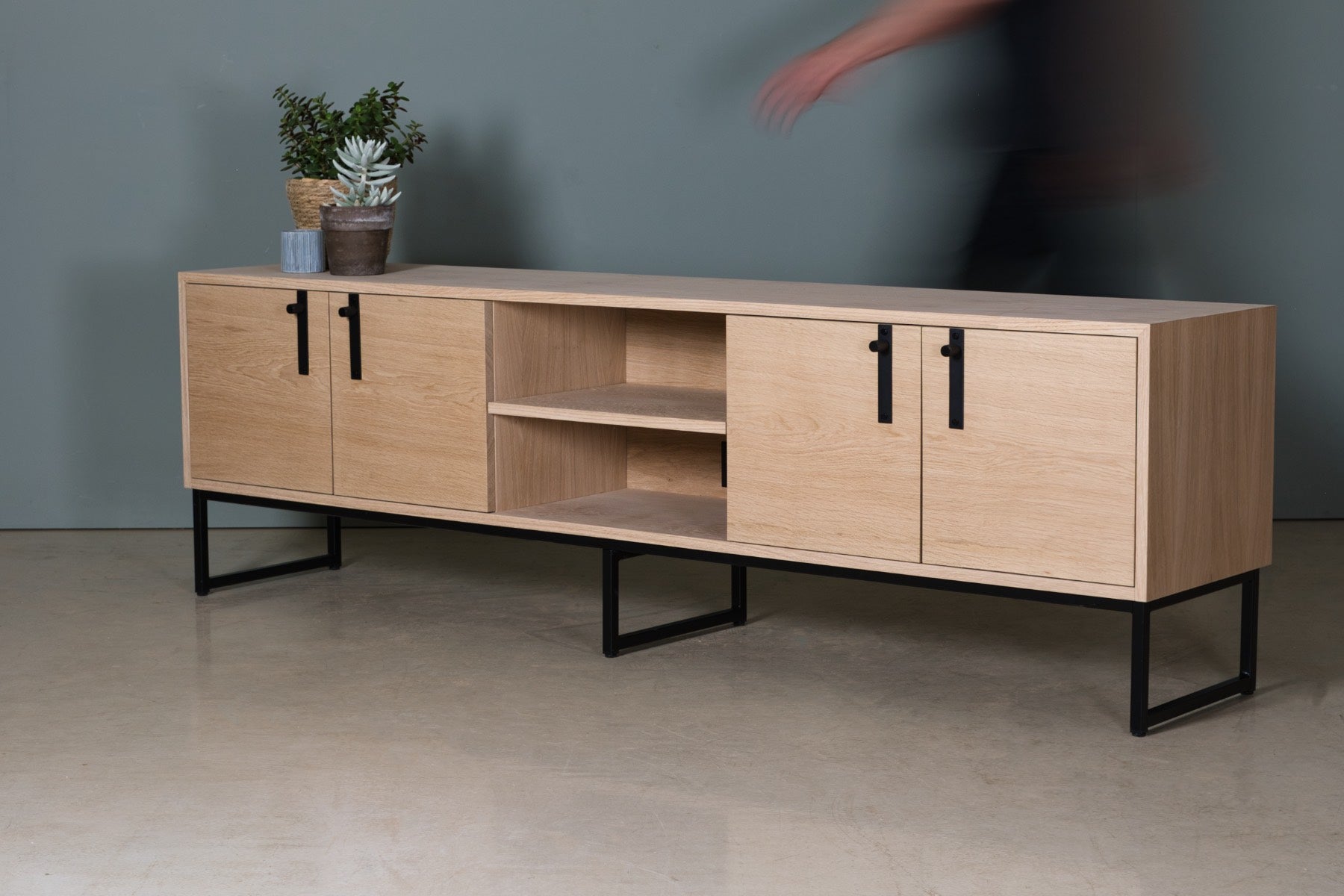
A handcrafted media console can conceal cables, soundbars, gaming systems, and storage without dominating a room visually. A bespoke shelving system can transform an awkward wall into something architectural and purposeful. A dining table can be scaled precisely to create balance between openness and functionality.
Good bespoke design solves practical problems elegantly. That balance between beauty and usability is central to everything we create at KODA.
Because furniture should not only photograph well — it should improve daily life.

The Process of Creating Bespoke Furniture
Many people assume bespoke furniture is complicated or intimidating. In reality, the process is often far more collaborative and straightforward than expected.
At KODA, bespoke begins with understanding. We discuss dimensions, layout, finishes, functionality, inspiration and the atmosphere a customer wants to achieve within their home. From there, designs are refined carefully to ensure the furniture feels integrated architecturally and practically.
The process is slower than buying mass-produced furniture online. But that slowness is intentional.
It allows time for consideration, refinement, and craftsmanship — qualities increasingly absent from modern retail experiences.
The result is furniture designed to remain part of a home for years rather than seasons.

Why Bespoke Furniture Is Sustainable
Sustainability is often discussed purely in terms of materials or manufacturing methods, but longevity is one of the most important environmental considerations in furniture design.
Disposable furniture creates waste. Furniture designed to last reduces it.
When customers invest in bespoke handcrafted furniture, they are typically choosing fewer, better pieces. Pieces designed to move with them between homes. Pieces worth repairing rather than replacing. Pieces that develop character over time instead of deteriorating.
At KODA, we believe sustainability is closely connected to permanence. The longer something remains loved and functional, the more sustainable it becomes.

A More Thoughtful Way to Furnish a Home
Ultimately, bespoke furniture is not about status. It is about creating a home that feels genuinely yours.
It is about moving away from throwaway interiors and toward thoughtful design. Choosing materials that age beautifully. Supporting craftsmanship. Investing in furniture that reflects personal taste rather than temporary trends.
True bespoke furniture should feel calm, intentional and deeply connected to the people who live with it every day.
That philosophy sits at the centre of every piece of furniture we create. Because furniture should do more than fill a room. It should belong there.

Get In Touch
If you are looking for furniture designed around your home, crafted with intention, and built to last for years to come? Get in touch, we would love to hear from you.
Whether you are furnishing a single room or designing an entire space, we create handcrafted British furniture tailored to the way you live.
Explore our collections online or get in touch with our team to discuss a bespoke piece made specifically for you.

Leave a comment
This site is protected by hCaptcha and the hCaptcha Privacy Policy and Terms of Service apply.